


In early 2026, a major conflict erupted between the United States and Iran. The spark came after joint U.S.–Israeli strikes against Iranian leadership triggered retaliation from Tehran through missiles and drones. This resulted in immediate escalation, spreading the conflict across the Middle East, involving not just Iran and the U.S., but also Israel, Gulf states, and other regional players. The crisis put global security at risk, as the war could have destabilized much of the Gulf region.
A fragile 15-day ceasefire was agreed upon as the diplomatic channels opened and negotiations took center stage. (Ref: Geo News, Reuters)
Pakistan’s Role: A Rare Diplomatic Spotlight
The Mediator Nobody Expected
Pakistan emerged as a central diplomatic player despite not being directly involved in the conflict. The country played a critical role as a mediator between Iran and the United States — a role that few expected, given the larger players involved. Islamabad was chosen as the venue for direct U.S.–Iran talks, which were the highest‑level negotiations between the two nations since 1979.
- Why Pakistan?
Pakistan’s long-standing relationships with Tehran, its growing rapport with Gulf Arab states, and its newly revamped ties with Washington made it the only viable neutral ground for the talks. - Neutral geography and politics: Pakistan is not seen as a direct antagonist to any party involved in the conflict, unlike some regional powers. Its history of serving as a backchannel contact point also gave it the credibility to mediate. (Ref: BBC, Al Jazeera)
This move was a significant shift in Pakistan’s diplomatic posture. Instead of simply observing, Pakistan positioned itself as a key player in a highly sensitive geopolitical crisis.
Why Pakistan Worked as a Mediator
Pakistan’s success in hosting these peace talks was not by chance. Several factors contributed to its role:
- Ties with multiple sides: Pakistan maintains diplomatic relations with the U.S., Iran, and Gulf states, giving it a unique positioning as a trusted mediator.
- Geopolitical neutrality: Pakistan’s non-aligned stance allowed it to bridge gaps between both sides without being seen as biased.
- Existing backchannels: Pakistan had longstanding informal channels of communication with all parties involved, which made it an effective intermediary.
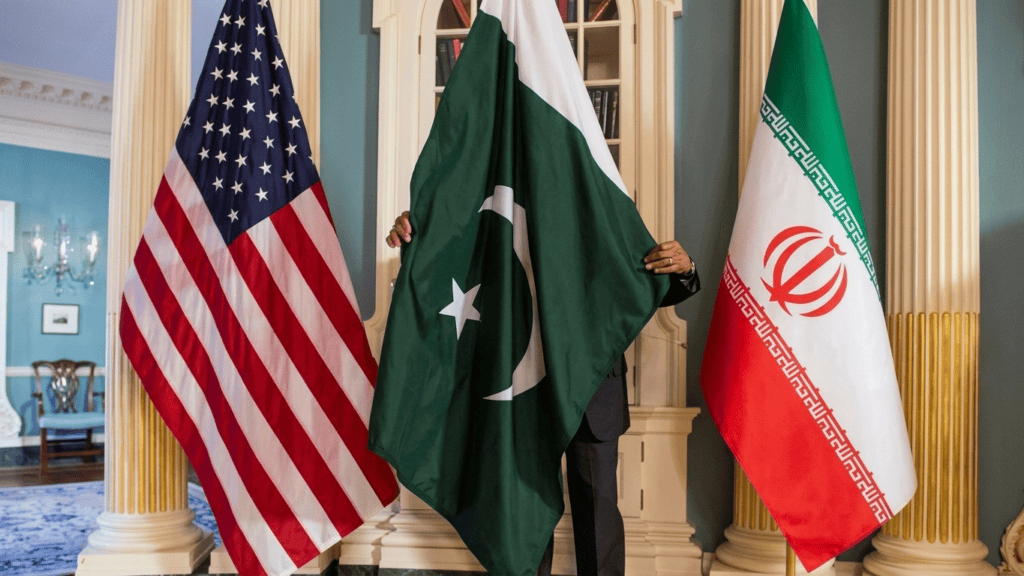
Pakistan’s diplomatic prowess helped prevent the collapse of talks and ensured that the situation did not escalate further, allowing for a window of peace to emerge. (Ref: The Guardian, Al Arabiya)
The Outcome: Not Perfect — But Impactful
While no final peace agreement was reached during the talks, Pakistan’s role was still pivotal. The U.S. walked away from the talks after marathon sessions, unable to reach an agreement on key issues like Iran’s nuclear program and control over the Strait of Hormuz.
However, Pakistan achieved three major strategic outcomes:
- Prevention of diplomatic collapse: Without Pakistan’s hosting of the talks, the negotiations may never have happened.
- International recognition: Pakistan’s neutral ground was crucial for the continuation of diplomacy and earned the country recognition as a key peace broker.
- Demonstration of soft power: By hosting peace talks, Pakistan showcased its influence on the global stage, giving it a diplomatic boost.
Despite the lack of a concrete deal, Pakistan’s strategic move demonstrated that it could punch above its weight in international diplomacy. (Ref: Reuters, New York Times)
Meanwhile: India’s Position
In stark contrast, India’s role in this critical diplomacy was largely absent. Despite being a larger economic power and a key U.S. ally, India was not invited to participate in any peace talks, which highlighted several weaknesses in its foreign policy.
- Policy misalignment: India’s close alignment with the U.S. and Israel meant it was not seen as a neutral actor in the Middle East conflict, reducing its diplomatic influence.
- Missed opportunities: India could have leveraged its strong relationships with regional powers like Saudi Arabia, Iran, and the UAE to become a credible peace broker, but its foreign policy focus shifted to internal issues rather than maintaining balanced external relationships. (Ref: The Hindu, The Diplomat)
India’s absence at the table meant that it was unable to influence the outcome of the crisis, despite its global aspirations.
What This Really Shows
Pakistan’s Diplomatic Strengths (Real, But Complex)
Pakistan’s diplomatic success in this scenario was a combination of strategic positioning and leveraging its neutral standing. While the country has often been seen as a lesser power in the context of Middle East diplomacy, this moment demonstrated that Pakistan can offer diplomatic value that others cannot, particularly when it comes to acting as a neutral intermediary.
While this success was important, it’s important to remember that Pakistan’s motivations weren’t purely altruistic. The country gained both diplomatic relevance and economic leverage through its involvement in these talks. (Ref: BBC, Reuters)
India’s Weakness: A Strategic Oversight
India’s absence in the talks revealed two significant gaps in its foreign policy:
- Strategic misalignment: By aligning too closely with the U.S. and Israel, India effectively eliminated its ability to act as a neutral diplomatic voice in the Middle East.
- Missed diplomatic opportunity: Despite having strong relationships with regional powers like Saudi Arabia, Iran, and the UAE, India failed to capitalize on its position to facilitate peace.
India’s foreign policy looks weaker in this context as it struggled to leverage its influence, showing that policy alignment and strategic neutrality are just as crucial as economic strength in international diplomacy. (Ref: Al Jazeera, The Hindu)
Final Takeaway
Pakistan’s involvement in the Iran-America conflict was a game-changer. Not because it expected the role, but because it earned it through careful diplomatic positioning and skillful neutrality. Pakistan’s ability to mediate the talks elevated its status on the global stage, while India was left on the sidelines despite its larger size and economic power.
This rare moment of diplomatic brilliance for Pakistan underscores how geopolitical strategy and neutral diplomacy can carve out unexpected power plays on the world stage.
Latest Update: Oil and Trade Dynamics at Risk
In light of the ongoing conflict, oil trade in the Middle East is a central issue. The Strait of Hormuz, through which 20% of the world’s oil is transported, has seen tension escalate due to this crisis. The latest tweet from Donald J. Trump highlights that Iran has fully opened the Strait of Hormuz for passage, which is crucial for global oil supply chains.
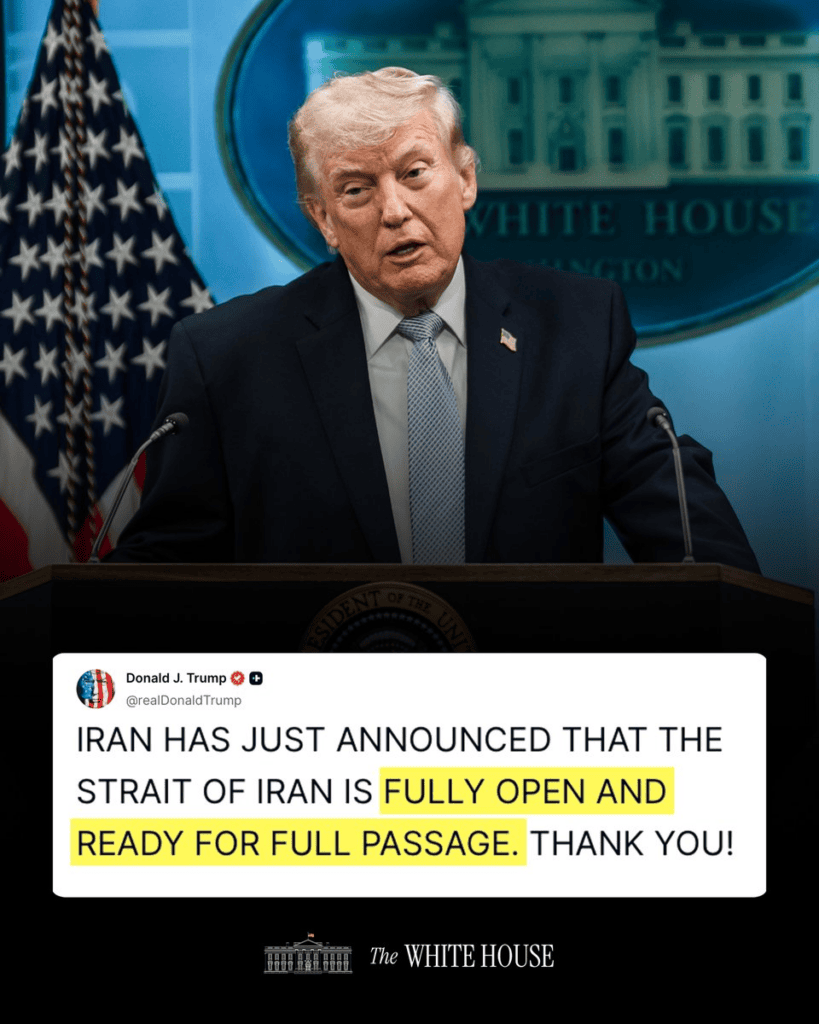
- Tweet by Donald Trump: “Iran has just announced that the Strait of Iran is fully open and ready for full passage. Thank you!” (Ref: U.S. Department of State Twitter, 2026)
The oil trade remains highly dependent on the resolution of this conflict, with global markets closely monitoring developments. The Middle East’s trade routes, especially through the Strait of Hormuz, are essential for 20% of the world’s oil supply. The outcome of this war will thus not only shape the geopolitical landscape but also affect global economic stability.
(Ref: U.S. Department of State, Geo News, Reuters)
Comentarios recientes