


Spain has everything many travellers look for in a coastal holiday: beautiful beaches, warm weather, Mediterranean and Atlantic landscapes, historic towns, excellent food and a wide range of hotels and resorts.
For visitors searching for beach resorts in Spain, the choices can seem almost endless. From luxury resorts overlooking the Mediterranean to peaceful seaside properties surrounded by nature, Spain offers coastal destinations for different types of travellers and budgets.
The country’s coastline stretches across the Mediterranean, Atlantic and Cantabrian seas, while its islands add another dimension to the Spanish beach experience. The official tourism portal highlights destinations including Costa Brava, Costa Dorada, Costa Blanca, Costa Cálida, Costa del Sol, the Costa de la Luz and the islands of Mallorca, Ibiza, Menorca and the Canary Islands.
But which destinations are particularly attractive for a resort holiday?
Let’s explore some of the most interesting Spanish beach resort destinations, the views travellers can enjoy and why these coastal areas continue to be so important for Spain’s hospitality industry.
Table of Contents
- Why is Spain ideal for a beach resort holiday?
- What makes Costa del Sol special for beach resorts?
- Why is Mallorca one of Spain’s top resort destinations?
- What can you expect from Costa Blanca beach resorts?
- Why choose Ibiza for a coastal resort holiday?
- What makes the Canary Islands different?
- Why are Tenerife and Gran Canaria popular for resorts?
- Is Lanzarote a good destination for a beach resort?
- Which Spanish beach destinations offer the best views?
- What should guests expect from a quality beach resort?
- Why are textiles important in beach resorts?
- How can hotels improve the guest experience?
- Conclusion
Why is Spain ideal for a beach resort holiday?
Spain has a remarkable variety of coastal landscapes.
Some visitors prefer long sandy beaches with restaurants and promenades. Others look for secluded coves, dramatic cliffs, clear Mediterranean waters or volcanic landscapes.
The official Spanish tourism portal divides the country’s coastal experiences across numerous regions, including the Mediterranean costas, Atlantic coastline, northern Cantabrian coast and the Balearic and Canary Islands. (Spain)
This variety is one of Spain’s biggest advantages.
A traveller can choose a resort close to a lively city, a quiet coastal village, a natural landscape or a famous island destination without leaving Spain.
The country’s tourism infrastructure also makes these destinations highly accessible. Aena reported that airports in Spain handled more than 321.5 million passengers during 2025, with Palma de Mallorca, Málaga-Costa del Sol, Alicante-Elche, Gran Canaria and Tenerife Sur among the country’s busiest airports.
That strong connectivity makes coastal Spain particularly attractive for international tourism.
What makes Costa del Sol special for beach resorts?
The Costa del Sol is one of Spain’s most recognisable coastal destinations.
Located in Andalusia, the region combines Mediterranean beaches with popular destinations such as Málaga, Marbella, Fuengirola, Estepona, Benalmádena and Nerja.
One of its biggest advantages is variety.
A visitor can spend the morning beside the sea, enjoy Andalusian food for lunch and then explore a historic town or city in the afternoon.
Málaga itself combines beaches with museums, architecture, restaurants and urban life. The official tourism website describes Málaga as a destination where visitors can combine its coastline with culture and gastronomy. (Spain)
For resort visitors, the scenery is equally important.
Imagine waking up to a Mediterranean view, opening the curtains to natural light and spending the day beside the sea. This is the type of experience that continues to attract travellers to the Costa del Sol.
For hotels and resorts in the area, that also means the guest experience extends beyond the beach.
The room, bed, towels, restaurant and service all contribute to how visitors remember their stay.
Why is Mallorca one of Spain’s top resort destinations?
Mallorca is another major destination for travellers looking for beach resorts in Spain.
The island combines beautiful Mediterranean beaches with mountain landscapes, traditional villages, historic architecture and modern hospitality.
One of Mallorca’s strongest features is the variety of its coastline.
Travellers can find larger beaches suitable for families and resort holidays, while other parts of the island are known for smaller coves and more secluded coastal landscapes.
The island also offers the Serra de Tramuntana, a mountain range that creates spectacular scenery and a dramatic contrast with the Mediterranean.
This combination of mountains and sea makes Mallorca particularly attractive for photography, sightseeing and relaxing resort holidays.
Its popularity is also reflected in tourism figures. According to Spain’s National Statistics Institute, Mallorca recorded 49.5 million hotel overnight stays in 2025, making it the Spanish tourist area with the highest number of overnight stays that year.
For hospitality businesses, this represents an enormous market of visitors looking for comfortable accommodation and quality services.
What can you expect from Costa Blanca beach resorts?
The Costa Blanca is another excellent choice for a seaside holiday.
Located in the province of Alicante, this Mediterranean coastline is known for beaches, coastal towns, clear waters and a wide range of tourist accommodation.
Alicante itself combines an urban environment with beaches and waterfront areas, while destinations along the Costa Blanca provide different styles of holiday experience.
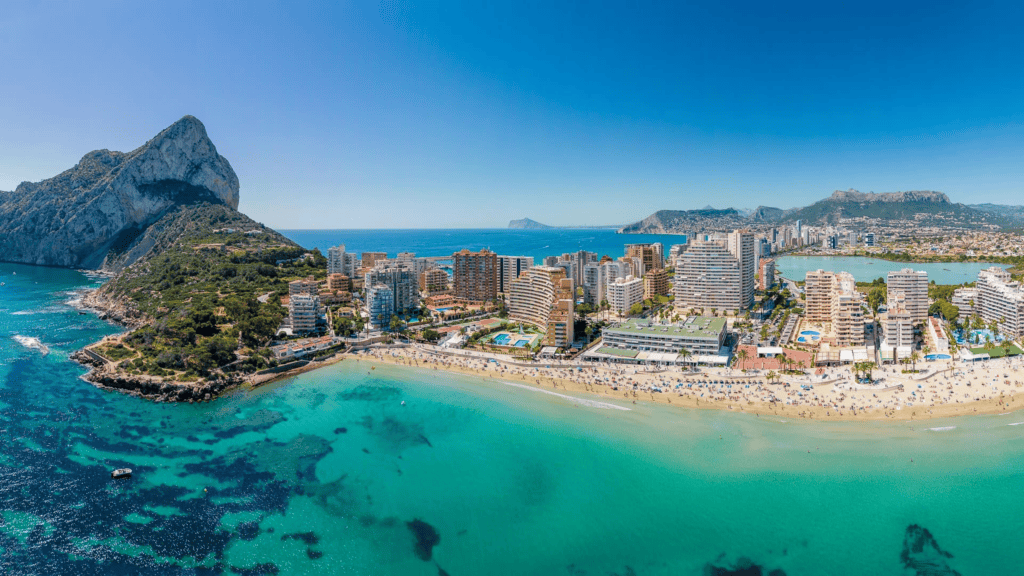
Some visitors come for relaxation, while others choose the region for family holidays, water activities, food and nightlife.
The area is also highly accessible through Alicante-Elche Airport, which handled almost 20 million passengers in 2025 according to Aena.
This accessibility is one reason the Costa Blanca continues to attract visitors from Spain and abroad.
For resort operators, the combination of international accessibility and coastal attractions creates strong opportunities throughout the tourism season.
Why choose Ibiza for a coastal resort holiday?
Ibiza is internationally famous, but its appeal goes far beyond nightlife.
The island offers beaches, hidden coves, Mediterranean landscapes and historic surroundings.
Visitors can spend the day relaxing by the sea and then explore Ibiza’s historic areas, restaurants and local culture.
The official Spanish tourism portal highlights Ibiza’s historic city and its views towards the sea, making the destination interesting for travellers who want to combine coastal scenery with culture.
Ibiza is therefore suitable for different types of visitors.

Some may choose a luxury resort overlooking the sea. Others may prefer a quieter property close to a small cove.
The island’s identity is built around the relationship between sea, lifestyle, design and hospitality.
What makes the Canary Islands different?
The Canary Islands offer something different from mainland Mediterranean destinations.
Their volcanic landscapes, Atlantic coastline and mild climate create a distinctive environment for resort tourism.
The official tourism portal specifically highlights the volcanic character of the Canary Islands in contrast with the greener landscapes of Mallorca, Ibiza and Menorca.
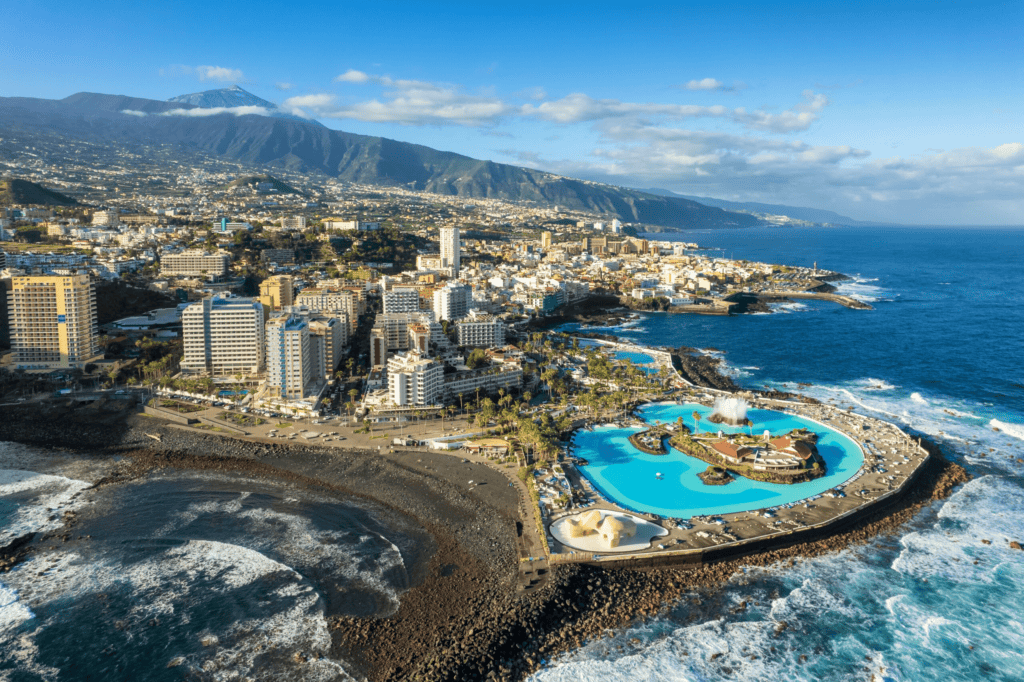
Another major advantage is the possibility of enjoying coastal tourism throughout much of the year.
Spain’s official tourism information identifies the Canary Islands, Costa del Sol, Costa Blanca and several other destinations as places where visitors can enjoy mild conditions and beach experiences beyond the traditional summer months. (Spain)
This makes the islands especially interesting for international travellers looking for sunshine when other European destinations are experiencing colder weather.
Why are Tenerife and Gran Canaria popular for resorts?
Tenerife and Gran Canaria are two of the Canary Islands’ most important tourism destinations.
Tenerife offers a mixture of beaches, volcanic landscapes, coastal towns and large resort areas.
The south of Tenerife is particularly associated with tourism, with numerous hotels, restaurants and activities designed around visitors.
Gran Canaria offers an equally diverse experience.
Visitors can enjoy beaches, coastal promenades, natural landscapes and mountain areas within the same island.
The airport connectivity also reflects their importance. In 2025, Gran Canaria Airport handled more than 15.8 million passengers, while Tenerife Sur handled nearly 14 million.
For travellers, that means these islands are not simply beach destinations. They are complete tourism ecosystems built around accommodation, restaurants, entertainment, transport and hospitality services.
Is Lanzarote a good destination for a beach resort?
Lanzarote offers a very different visual experience.
The island’s volcanic landscapes create dramatic contrasts between dark rocks, blue Atlantic water and bright coastal areas.
For travellers who want something different from the traditional Mediterranean resort, Lanzarote can be an excellent option.
The island combines beaches with volcanic scenery and distinctive architecture.
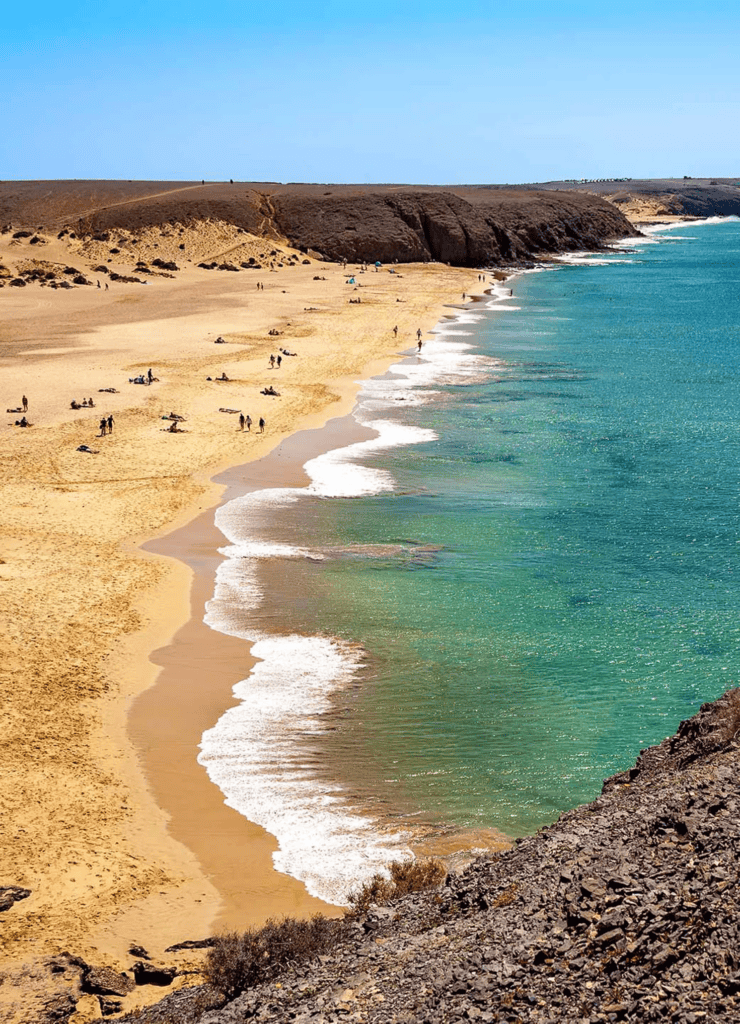
It is particularly attractive to visitors who enjoy photography, nature and unusual landscapes alongside traditional beach activities.
Lanzarote is also part of the strong Canary Islands tourism network, making it accessible to visitors from many European markets.
Which Spanish beach destinations offer the best views?
Choosing the «best» view is subjective, but Spain offers several types of coastal scenery.
Mediterranean views
Costa del Sol, Costa Blanca and the Balearic Islands offer classic Mediterranean landscapes with blue water, beaches and coastal towns.
Island views
Mallorca and Ibiza combine sea views with hills, coves and Mediterranean vegetation.
Volcanic views
The Canary Islands offer something completely different, with volcanic mountains, dark rock formations and Atlantic beaches.
Northern coastal views
Northern Spain provides dramatic cliffs, green landscapes and Atlantic or Cantabrian scenery.
The official tourism portal highlights this diversity, from the Mediterranean costas to the cliffs of the Costa Verde, the Costa Vasca and the Atlantic coastline of Galicia.
So, whether a traveller wants a classic beach photograph or a dramatic natural landscape, Spain offers plenty of choices.
What should guests expect from a quality beach resort?
A beautiful location may attract a guest, but the quality of the stay determines whether they remember the experience positively.
Guests expect a resort to provide comfort from the moment they arrive.
That includes a welcoming room, comfortable bed, clean bathroom, soft towels, attractive dining areas and professional service.
The smallest details can influence the overall experience.
A guest may remember the view from the balcony, but they may also remember how comfortable the bed was after a long day exploring the coast.
They may remember the beach, but they will also notice whether the towels were clean, comfortable and suitable for their needs.
This is why hospitality businesses need to look beyond architecture and location.
The complete guest experience is created through hundreds of small details.
Why are textiles important in beach resorts?
Textiles are an essential part of the hospitality experience.
In a beach resort, this can include:
- Hotel bed linen
- Pillowcases
- Duvet covers
- Bath towels
- Pool towels
- Bathrobes
- Restaurant table linen
- Kitchen textiles
- Chef aprons
- Staff uniforms
- Industrial laundry textiles
These products need to withstand frequent washing while continuing to provide comfort and a professional appearance.
This is especially important in busy coastal resorts where rooms and facilities can experience high turnover during peak periods.
For hospitality businesses, choosing reliable textile suppliers can therefore be an important part of maintaining consistent standards.
How can hotels improve the guest experience?
Hotels and resorts do not always need to make dramatic changes to improve guest satisfaction.
Often, attention to detail makes the difference.
High-quality bed linen can improve the feeling of comfort.
Soft and durable towels can make the bathroom experience feel more premium.
Well-presented table linen can improve the appearance of restaurants and dining areas.
Professional kitchen textiles and uniforms can also contribute to hygiene, consistency and brand presentation.
The objective is simple: make every part of the guest journey feel considered.
For a beach resort, this is particularly important because guests are not only buying accommodation. They are buying an experience.
Spain’s beach resorts and the future of hospitality
Spain’s coastal tourism continues to play an important role in the country’s hospitality sector.
In 2025, hotel establishments recorded 366.7 million overnight stays, the highest annual figure reported in the INE’s series. International visitors accounted for 244.9 million of those overnight stays. (INE)
The Canary Islands were the leading destination for non-resident hotel overnight stays, representing 26% of the total, followed by the Balearic Islands and Catalonia. (INE)
These figures demonstrate the scale of Spain’s hospitality market.
Behind every hotel room, restaurant and resort facility is a network of suppliers providing everything needed to operate successfully.
And textiles are an important part of that network.
Conclusion: Why choose Spain for a beach resort holiday?
From the Mediterranean beaches of Costa del Sol and Costa Blanca to the coves of Mallorca and Ibiza and the volcanic landscapes of the Canary Islands, Spain offers an extraordinary variety of coastal experiences.
The country’s strong airport connectivity, extensive hospitality infrastructure and diverse coastline make it one of Europe’s leading destinations for beach holidays.
For travellers, that means more choices.
For hotels and resorts, it means an increasingly competitive environment where comfort, quality and attention to detail matter.
A spectacular sea view may be what attracts a guest to a resort, but quality service, comfortable rooms and carefully selected hospitality textiles help turn that visit into a memorable experience.
Looking for Quality Textiles for Your Hotel or Resort?
At Royal Europe Textile SL, we provide professional textile solutions for the hospitality industry, including hotel bedding, towels, bath textiles, table linen and other hospitality products.
Whether you operate a hotel, resort, restaurant or professional hospitality business, the right textile products can help create a more comfortable and consistent guest experience.
Quality textiles for hospitality. Quality that guests can feel.
📩 Contact Royal Europe Textile SL to discuss your hospitality textile requirements.
Comentarios recientes