


Around the world, governments are increasingly restricting or banning surveillance equipment made in China, especially internet‑connected CCTV cameras from companies such as Hikvision and Dahua Technology. These devices were once among the most widely used security cameras globally, but today many countries are rethinking their use due to national security concerns, data‑privacy fears, and rising geopolitical tensions especially in light of the ongoing U.S.–Israel war on Iran in 2026.
1. National Security Concerns Behind the Bans
Surveillance cameras do more than record footage, they collect and transmit large amounts of data across networks. Governments increasingly fear that foreign‑manufactured systems could expose sensitive information or be vulnerable to unauthorized access.
Examples of global concerns include:
- India has banned internet‑connected CCTV cameras from Chinese manufacturers such as Hikvision and Dahua starting April 1, 2026, in part due to national security concerns and stricter product certification standards. (Ref: Business Standard)
- The United States Federal Communications Commission (FCC) has banned the sale of equipment from various Chinese technology firms including Huawei, ZTE, Hikvision, and Dahua — citing “unacceptable national security risks.” (Ref: Business Standard)
- Hikvision technology has been linked to surveillance operations inside China, including in sensitive regions like Xinjiang, raising concerns about how such systems might be exploited elsewhere. (Ref: Wikipedia)
Because CCTV systems are often connected to the internet and stored in central systems, these concerns are not limited to one country, they are global.
2. Geopolitical Tensions and the War’s Impact
The geopolitical backdrop has made security concerns even more urgent. In February 2026, joint military strikes by the United States and Israel against Iran marked the beginning of a widening conflict in the Middle East, which has drawn strong global reactions and deepened fears about cyber and physical vulnerabilities. (Ref: Wikipedia)

Conflicts this large raise the stakes for national security, leading governments to reconsider foreign technology that could be exploited in times of war or political instability.
3. Europe’s Reaction Including Spain’s Position
Spain
- Prime Minister Pedro Sánchez and his government condemned the military actions in the Iran conflict as “unjustifiable” and violations of international law, and called for de‑escalation. (Ref: Al Jazeera)
- Spain has taken steps such as closing its airspace to U.S. military aircraft involved in the conflict, and withdrawing its ambassador from Israel as the war expanded. (Ref: Euronews; Ref: Al Jazeera)
These moves reflect Spain’s strong stance against escalation and its emphasis on diplomatic solutions rather than military involvement.
Broader European Reaction
- Across the European Union, many countries have urged diplomacy, humanitarian protection, and talks to reduce violence. (Ref: CFR)
- European nations remain divided, with some advocating for caution and others voicing stronger criticism of the conflict’s expansion. (Ref: CFR)
4. Pakistan’s Role in Trying to Stop the War
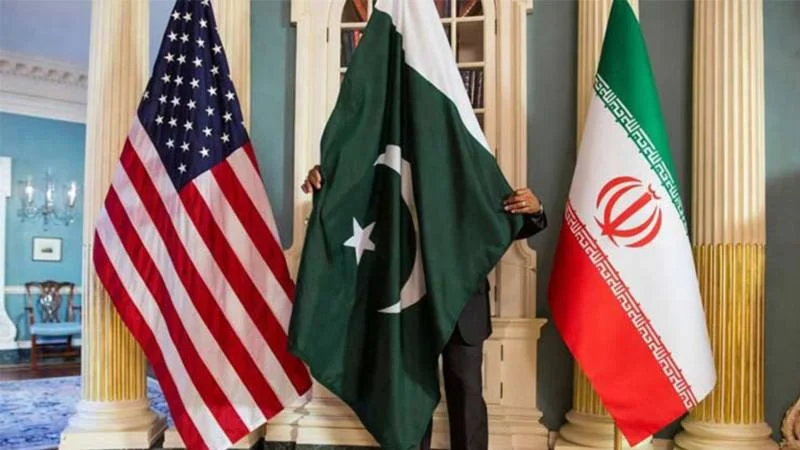
Pakistan has taken a diplomatic and mediating role in the efforts to reduce the conflict:
- Pakistan, along with Saudi Arabia, Turkey and Egypt, has hosted talks in Islamabad to seek ways to bring about an early and lasting end to the U.S.–Israel war on Iran. (Ref: Times of Israel)
- Pakistani ministers and diplomats are pursuing shuttle diplomacy and preparing the groundwork for potential ceasefire discussions between the parties. (Ref: Al Jazeera)
- Pakistan has also offered to host meaningful talks between the U.S. and Iran in Islamabad to help de‑escalate tensions. (Ref: AP News; Ref: Reuters)
- Despite these efforts, Iran has reportedly declined direct participation in Pakistan‑hosted dialogues, illustrating the complexity of negotiations. (Ref: Times of India)
These diplomatic moves show how Pakistan is trying to act as a bridge for peace, even as the war continues to strain regional relations.
5. Why This Matters for Global Security and Surveillance
The combination of geopolitical tension and distrust of foreign‑made technology has led countries to prioritize indigenous and allied technology systems over foreign ones that could be exploited. Governments now want full transparency and control over who can access surveillance data especially in times of war when adversaries may try to infiltrate networks.
This shift has major implications:
- Bans on some Chinese‑made CCTV systems, especially in sensitive sectors such as government buildings, defense sites, and critical infrastructure. (Ref: Business Standard)
- Encouragement of local or allied technology suppliers that meet strict security standards. (Ref: Business Standard)
6. The Importance of Cybersecurity and Combating Fake News
In an era of global conflict and rapid digital spread of information, cybersecurity and media literacy have become as important as physical defenses:
Cybersecurity
- Governments are tightening laws and certification requirements to ensure technology systems cannot be remotely manipulated or hijacked.
- This includes rigorous testing for surveillance hardware and software, monitoring for potential vulnerabilities, and encryption to protect data integrity.
Recent Symbolic Messages on Iranian Missiles
In the latest phases of the conflict, Iranian state‑linked social media posts and some reports have shown missiles launched at Israeli military targets carrying hand‑written messages expressing “thank you” to various countries including India, Germany, Pakistan, and Spain as part of symbolic psychological messaging during its 83rd wave of strikes. These messages were reportedly shared online and referenced as expressions of support or solidarity amid the conflict. (Ref: Times of India)
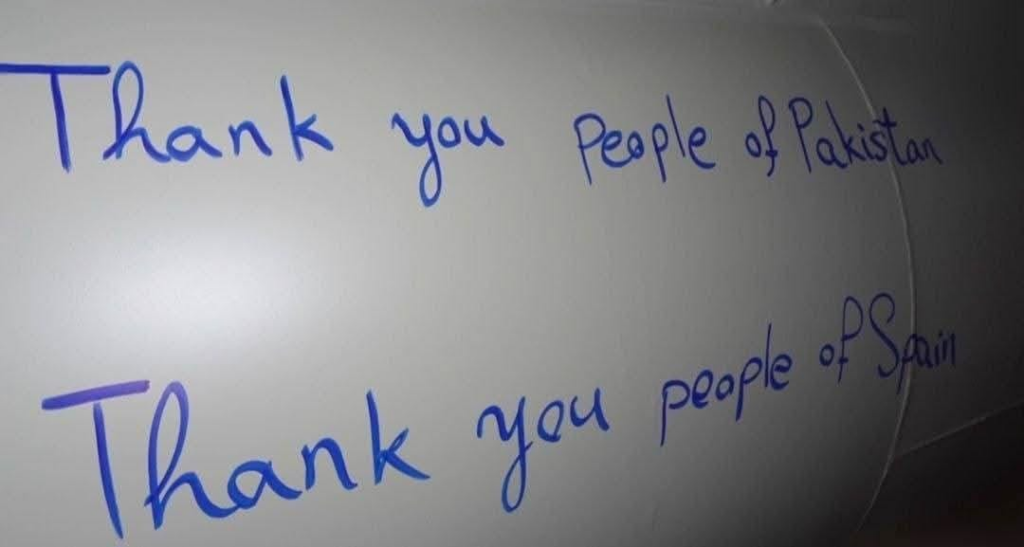
It’s important to note these have appeared in online visuals and social media posts, and specific state‑level acknowledgments have not been independently confirmed by major global news agencies.
Combating Fake News
- During wartime and geopolitical crises, misinformation spreads rapidly online, increasing fear and distrust.
- Fake news can influence public opinion, sow confusion, and even affect national security decisions.
- It is crucial for individuals and institutions to verify information through trusted, reputable news sources and avoid sharing unverified rumors or social media claims.
Together, strong cybersecurity and careful information verification help societies protect not just their data and infrastructure, but also maintain social stability and informed public discourse.
Conclusion
The global trend of restricting Chinese‑made CCTV cameras is part of a broader response to rising geopolitical conflict, national security concerns, and the need for better control over surveillance technology. The U.S.–Israel war on Iran has accelerated these efforts, highlighting vulnerabilities that extend into cyberspace and public perception.
At the same time, countries like Spain and Pakistan illustrate how diplomatic voices are pushing for peace and de‑escalation even as tensions rise. In this environment, cybersecurity, trusted technology, and resistance to fake news are essential tools for protecting both nations and citizens.
Comentarios recientes