


When purchasing textiles for hospitality, healthcare, retail, or home use, quality and appearance are not the only factors that matter. Today, buyers also need assurance that fabrics and made-ups meet international standards for safety, sustainability, durability, and ethical production. This is where textile certifications become essential.
Whether you are sourcing bed linen, towels, fabrics, table linen, or institutional textiles, understanding textile certifications helps you make informed and reliable purchasing decisions.
At Royal Europe Textile SL, we believe transparency and quality standards are key to building long-term trust with customers worldwide.
Why Textile Certifications Matter
Textile certifications are issued by recognised organisations after testing products and manufacturing processes against specific standards. These certifications help buyers ensure that the products they purchase are:
- Safe for human use
- Free from harmful chemicals
- Environmentally responsible
- Ethically manufactured
- Durable and performance-tested
- Suitable for international markets
For businesses importing or supplying textiles in Europe and international markets, certifications are often necessary for compliance and customer confidence.
Important Textile Certifications You Should Know
1. OEKO-TEX® Standard 100
OEKO-TEX certification is one of the most recognised textile safety standards worldwide.
It ensures that the textile product has been tested for harmful substances and is safe for human contact.
Best For:
- Bed sheets
- Towels
- Baby textiles
- Clothing fabrics
- Hospital linen
Why It Matters:
Products certified under OEKO-TEX® Standard 100 are tested against harmful chemicals, dyes, and allergens, making them safer for consumers.
2. GOTS – Global Organic Textile Standard
Global Organic Textile Standard (GOTS) is considered the leading certification for organic textiles.
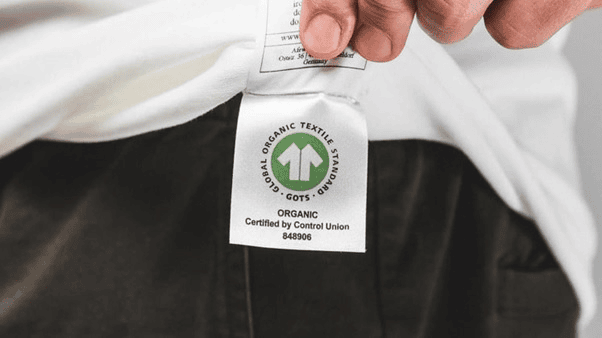
It verifies that textiles are made from organic fibres and produced using environmentally and socially responsible methods.
Best For:
- Organic cotton fabrics
- Sustainable home textiles
- Eco-friendly textile brands
Why It Matters:
GOTS certification covers the entire production chain, including processing, dyeing, manufacturing, packaging, and labour standards.
3. ISO Certifications
International Organization for Standardization certifications help ensure quality management and operational consistency within textile manufacturing facilities.
Common ISO Standards in Textiles:
- ISO 9001 – Quality Management
- ISO 14001 – Environmental Management
- ISO 45001 – Occupational Health & Safety
Why It Matters:
ISO-certified manufacturers often maintain better production systems, consistent quality, and professional operational standards.
4. BSCI – Business Social Compliance Initiative
amfori BSCI focuses on ethical and social compliance within factories.
This certification evaluates working conditions, employee rights, workplace safety, and fair labour practices.
Why It Matters:
Buyers and retailers increasingly prefer suppliers that follow ethical sourcing practices and responsible manufacturing standards.
5. REACH Compliance
European Chemicals Agency REACH compliance ensures that textile products meet European Union regulations regarding chemical usage.
Why It Matters:
For textiles sold in European markets, REACH compliance is critical to avoid restricted or hazardous substances.
This is especially important for:
- Hospitality textiles
- Medical textiles
- Fashion fabrics
- Children’s products
6. Better Cotton Initiative (BCI)
Better Cotton promotes sustainable cotton farming practices.
Why It Matters:
BCI-certified cotton supports:
- Reduced environmental impact
- Better water management
- Improved farming practices
- Sustainable cotton sourcing
7. Sedex Certification
Sedex helps businesses improve ethical and responsible supply chain management.
Why It Matters:
Sedex membership demonstrates commitment to:
- Ethical sourcing
- Worker welfare
- Health and safety
- Environmental responsibility
Certifications for Hospitality & Institutional Textiles
For hotels, hospitals, restaurants, and institutional buyers, certifications become even more important because textiles are used frequently and must meet strict standards.
Important areas include:
- Fabric durability
- Colour fastness
- Hygienic standards
- Flame resistance (where required)
- Chemical safety
- Wash performance
At Royal Europe Textile SL, we understand the importance of supplying high-quality hospitality and institutional textiles that align with international expectations.
How to Verify Textile Certifications
Before purchasing fabrics or made-ups, always:
Check Certification Validity
Request certification copies and verify them through official certification databases if available.
Confirm Scope of Certification
Some certifications apply only to raw materials, while others cover the complete manufacturing process.
Review Expiry Dates
Certifications require renewal and periodic audits.
Work with Trusted Suppliers
Reliable suppliers maintain transparency regarding compliance and documentation.
Choosing the Right Certified Textile Products
The right certification depends on your business needs.
| Requirement | Recommended Certification |
|---|---|
| Product Safety | OEKO-TEX® |
| Organic Textiles | GOTS |
| Ethical Manufacturing | BSCI / Sedex |
| EU Compliance | REACH |
| Quality Management | ISO 9001 |
| Sustainable Cotton | BCI |
Understanding these certifications helps businesses reduce risks, improve customer trust, and maintain product quality standards.
Final Thoughts
Textile certifications are no longer optional in modern global trade — they are a vital part of responsible sourcing and quality assurance. Whether you are purchasing fabrics, towels, bed linen, or hospitality made-ups, certifications help ensure that products meet international standards for safety, sustainability, and performance.
Partnering with trusted textile suppliers who understand compliance requirements can save time, reduce risks, and improve long-term business reliability.
At Royal Europe Textile SL, we are committed to supplying premium textile products with a strong focus on quality, professionalism, and customer satisfaction.
FAQs
What is the most important textile certification?
The most commonly requested certification is OEKO-TEX® Standard 100 because it ensures products are tested for harmful substances.
Is GOTS certification only for clothing?
No, GOTS certification also applies to home textiles, bedding, towels, and fabrics made from organic fibres.
Why is REACH compliance important?
REACH compliance is essential for textile products sold within European markets to ensure chemical safety standards are met.
Are certified textiles more expensive?
Certified textiles may cost slightly more, but they provide better safety, reliability, compliance, and long-term value.
Can textile certifications improve brand trust?
Yes. Certifications help businesses build credibility, improve customer confidence, and meet international buyer requirements.
Comentarios recientes